



Molti utenti del nostro servizio XEvil IPv6 Proxies per reCAPTCHA ci hanno chiesto perché i loro indirizzi IP proxy IPv6 non cambiano mai. Abbiamo creato questa spiegazione e queste FAQ per chiarire ogni dubbio, in modo che possiate capire come funzionano i nostri proxy IPv6 e perché i vostri proxy front-end rimangono sempre gli stessi.
Risposta rapida
- Gli IP nei tuoi file proxy sono proxy front-end. Sono la porta d'accesso al nostro server proxy, non l'indirizzo web visualizzato dal sito.
- Dietro quella porta, ogni connessione esce attraverso un tunnel proxy che seleziona un nuovo indirizzo IP da un ampio pool a rotazione.
- Quindi Google vede un indirizzo IPv6 diverso per ogni richiesta, mentre i tuoi file proxy rimangono esattamente gli stessi. Non c'è niente di rotto.
- IPv6 è lo strumento giusto per Risoluzione di reCAPTCHA con XEvil. Il pool di indirizzi è enorme, il prezzo per IP è basso e Google accetta connessioni IPv6.
- IPv6 è lo strumento sbagliato per GSA SER costruzione di collegamenti. La maggior parte dei siti di destinazione risponde ancora solo su IPv4, quindi per questo scopo è necessario utilizzare proxy HTTP o SOCKS.
Che cosa sono i proxy IPv6?
Un proxy IPv6 è un server che si interpone tra te e il sito che stai visitando e utilizza il protocollo IPv6 per instradare il traffico. Invece di mostrare il tuo indirizzo IP reale, il sito visualizza l'indirizzo fornito dal proxy. Questo è utile per il web scraping, per accedere a contenuti con restrizioni geografiche e soprattutto per risolvere i CAPTCHA con strumenti come XEvil.
Come funzionano i proxy IPv6?
La tua connessione non va direttamente dal tuo dispositivo al sito web. Passa attraverso un server proxy, e questo avviene in due fasi.
- Raggiungere il server proxy (i proxy front-end). Ti inviamo due file proxy, Uno per HTTP e uno per SOCKS. Ciascun file contiene gli indirizzi IP e le porte che utilizzi per connetterti al nostro server proxy. Questi sono i proxy front-end. Non cambiano, nemmeno al momento del rinnovo, perché rappresentano i punti di accesso al nostro sistema.
- Il tunnel proxy e la rotazione IP. Una volta stabilita la connessione, il traffico passa attraverso un tunnel proxy. L'indirizzo IP visualizzato da un sito come Google non è quello presente nel file proxy. A ogni connessione viene assegnato un nuovo indirizzo IP da un ampio pool a rotazione. Anche se si utilizzano sempre gli stessi indirizzi IP front-end, Google visualizza comunque un indirizzo diverso ogni volta.

Qual è la differenza tra i proxy HTTP standard e i proxy IPv6?
Molti dei nostri utenti utilizzano strumenti automatizzati per la creazione di link come Classificatore del motore di ricerca GSA, RankerX o SEO NEO. Questi strumenti si connettono a migliaia di siti web diversi per registrare account, pubblicare contenuti e creare backlink, quindi necessitano di proxy in grado di raggiungere quasi qualsiasi sito. Ecco perché utilizzano proxy HTTP o SOCKS, che di solito vengono sostituiti ogni mese. Ecco un confronto tra i due tipi.
| Proxy HTTP/SOCKS (IPv4) | Proxy IPv6 | |
|---|---|---|
| Il miglior lavoro | Creazione di link con GSA SER, RankerX, SEO NEO | Risoluzione di reCAPTCHA e hCaptcha con XEvil |
| Ciò che può raggiungere | Quasi tutti i siti web su Internet | Solo i siti che pubblicano un indirizzo IPv6 |
| Costo per IP | Più alto. Gli indirizzi IPv4 sono una risorsa scarsa e scambiata | Molto più basso. Il pool IPv6 è di fatto illimitato. |
| Sostituzione | Di solito una nuova fornitura ogni mese | Non è necessaria alcuna sostituzione. Il tunnel ruota automaticamente. |
| Vietare il comportamento | Brucia lentamente su molti piccoli bersagli | Brucia velocemente se puntato su siti web ordinari |
| Autenticazione | autorizzazione IP | autorizzazione IP |
1. Utilizzo negli strumenti automatizzati di link building
Proxy HTTP/SOCKS

Strumenti come Classificatore del motore di ricerca GSA RankerX deve raggiungere un'ampia gamma di siti, e la maggior parte di questi risponde ancora solo tramite IPv4. I proxy HTTP o SOCKS standard, siano essi pubblici, semi-dedicati o dedicati, gestiscono questa situazione senza problemi di compatibilità. Ecco perché rimangono la soluzione predefinita per la pubblicazione degli annunci in una campagna.
Proxy IPv6

Google supporta IPv6, ma molti altri software e siti web ancora non lo fanno. Se si utilizzano proxy IPv6 per connettersi al web tradizionale, una grande parte dei siti target semplicemente non risponderà, mentre quelli che risponderanno bloccheranno rapidamente l'intervallo di indirizzi. Questo li rende una soluzione inadeguata e costosa per la parte di link building del lavoro.
2. Prestazioni con gli strumenti di risoluzione CAPTCHA
Proxy HTTP/SOCKS

Gli strumenti di link building si affidano a un servizio CAPTCHA come XEvil per superare i CAPTCHA delle immagini e Google reCAPTCHA. I proxy IPv4 funzionano senza problemi sui siti web comuni, ma faticano a contrastare Google stesso. Google monitora attentamente gli intervalli IPv4 e un indirizzo IPv4 condiviso o riutilizzato viene spesso segnalato prima ancora che abbia la possibilità di risolvere il problema.
Proxy IPv6

È qui che entra in gioco IPv6. Google accetta connessioni IPv6 e il pool di indirizzi è così ampio che un nuovo indirizzo per ogni richiesta non costa quasi nulla. Le richieste di risoluzione continuano ad arrivare da indirizzi senza cronologia, che è esattamente ciò a cui reagisce il sistema di punteggio reCAPTCHA. Funziona per questo specifico scopo, ma non per un utilizzo più ampio.
3. Costo e durata
Proxy HTTP/SOCKS

I proxy IPv4 vengono solitamente sostituiti con un nuovo lotto ogni mese quando si utilizzano strumenti di link building. Lo spazio IPv4 è limitato e soggetto a scambi, quindi il prezzo per indirizzo rimane elevato. Ciò che si ottiene in cambio è la copertura, e per la parte di pubblicazione di una campagna è proprio la copertura che conta.
Proxy IPv6

Per singolo indirizzo, IPv6 è molto più economico, ed è proprio questo il motivo per cui il pool rotante è conveniente. Il costo diventa un problema solo quando i proxy vengono utilizzati per scopi non appropriati. Se li si invia a siti web comuni, consumano rapidamente gli indirizzi con un ritorno minimo, e si finisce per pagare per un volume di indirizzi mai utilizzato.
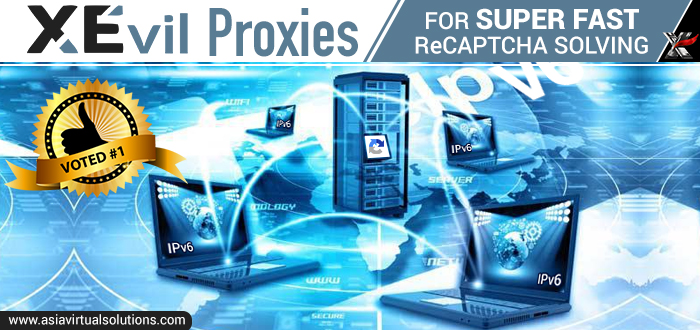
Perché consigliamo i proxy IPv6 per la risoluzione dei CAPTCHA
Utilizzate ogni tipo di proxy per lo scopo per cui è più adatto. I proxy HTTP e SOCKS si occupano dell'invio dei contenuti, perché possono raggiungere l'intera rete. I proxy IPv6 si occupano della risoluzione dei CAPTCHA, perché quel traffico è diretto a un unico obiettivo: Google, e Google utilizza il protocollo IPv6. Utilizzarli entrambi non significa duplicare le risorse, ma è il modo più economico per mantenere attiva una campagna.
Domande frequenti (FAQ) sui proxy
Perché gli indirizzi IP proxy che ricevo non cambiano mai?
Gli indirizzi IP presenti nei tuoi file proxy sono proxy front-end e sono statici di proposito. Rappresentano i punti di accesso al nostro server proxy. Google e altri siti non li vedono mai. Ciò che questi siti vedono proviene dal pool di indirizzi IP rotanti sul back-end, che cambia costantemente.
Cosa vede Google quando utilizzo i proxy?
Non si tratta degli indirizzi IP presenti nel file proxy. Quando il traffico passa attraverso il tunnel proxy, a ogni connessione viene assegnato un indirizzo diverso dal pool rotante, quindi Google vede un nuovo indirizzo IPv6 per ogni richiesta.
Come viene tutelato il mio anonimato?
Poiché il back-end ruota gli indirizzi, non esiste un singolo IP attorno al quale un sito possa creare un profilo. Il tuo indirizzo non viene mai esposto alla destinazione. Il sito vede sempre e solo l'indirizzo del pool che ha gestito quella richiesta.
Qual è la differenza tra i proxy HTTP e SOCKS che offrite?
Protocollo e intervallo di porte. I nostri proxy HTTP utilizzano le porte da 20000 a 20299, mentre i nostri proxy SOCKS utilizzano le porte da 21000 a 21299. SOCKS è il più flessibile dei due perché gestisce qualsiasi tipo di traffico, non solo quello web. HTTP è più semplice ed è ancora la scelta più comune per le applicazioni basate su browser. Entrambi i file vengono inviati contemporaneamente, quindi è possibile utilizzare quello preferito dal proprio software.
Perché mi serve l'autenticazione tramite indirizzo IP invece di nome utente e password?
Si autorizza l'indirizzo IP della macchina che utilizzerà i proxy e, dopodiché, la connessione funziona automaticamente. Non è necessario memorizzare le credenziali di accesso in un file di configurazione e non c'è alcun rischio di divulgazione di informazioni sensibili in caso di condivisione del file. Inoltre, un elenco di proxy rubato risulterebbe inutilizzabile per chiunque altro, poiché il relativo indirizzo IP non sarebbe presente nell'elenco degli indirizzi consentiti.
Can I use these proxies for CAPTCHA solving with XEvil?
È per questo che sono stati costruiti. Sono sintonizzati per Risoluzione automatizzata dei CAPTCHA e funzionano con XEvil su Google reCAPTCHA e hCaptcha. Basta inserirli nelle impostazioni del proxy di XEvil e non è necessaria alcuna altra configurazione.
Con quale frequenza vengono ruotati gli indirizzi IP?
Per ogni connessione, non a intervalli di tempo predefiniti. Ad ogni nuova richiesta attraverso il tunnel viene assegnato un nuovo indirizzo dal pool, quindi non è necessario impostare un intervallo di rotazione né pianificare nulla. I file proxy del front-end rimangono invariati per tutto il tempo.
Devo modificare i miei file proxy dopo aver rinnovato l'abbonamento?
No. Gli indirizzi IP front-end rimangono gli stessi al momento del rinnovo, quindi i file che hai già continuano a funzionare. Tutte le modifiche di indirizzo avvengono dalla nostra parte del tunnel.
Che cosa sono i proxy IPv6?
Si tratta di server proxy che instradano il traffico utilizzando IPv6, la versione più recente del protocollo Internet. Fungono da gateway tra te e la destinazione, in modo che quest'ultima veda l'indirizzo del proxy anziché il tuo.
In che cosa si differenziano i proxy IPv6 dai proxy IPv4?
La dimensione dello spazio degli indirizzi e il suo impatto su prezzo e disponibilità. IPv4 ha circa 4,3 miliardi di indirizzi in totale e i registri regionali hanno esaurito quelli gratuiti anni fa, motivo per cui un indirizzo IPv4 costa soldi veri. IPv6 ne ha 2128 indirizzi, un numero sufficientemente elevato da non richiedere alcuna limitazione da parte del provider. Il compromesso riguarda la portata: un sito deve pubblicare un indirizzo IPv6 prima che un proxy IPv6 possa comunicare con esso, e molti ancora non lo fanno.
Perché dovrei usare i proxy IPv6?
Soprattutto per un motivo: indirizzi economici e facilmente reperibili per comunicare con servizi che già supportano IPv6. In questo caso, il servizio più importante è Google, ed è per questo che IPv6 rappresenta la scelta più sensata per la risoluzione di reCAPTCHA. Se il servizio di destinazione non supporta IPv6, non c'è alcun vantaggio e IPv4 rimane la soluzione migliore.
I proxy IPv6 sono più veloci dei proxy IPv4?
Non per via del protocollo. IPv6 non è intrinsecamente più veloce di IPv4. Ciò che spesso si nota è un minor numero di hop, perché il traffico IPv6 solitamente salta i livelli NAT di livello carrier che il traffico IPv4 attraversa, e una minore congestione, perché un minor numero di connessioni utilizza percorsi IPv6. In pratica, la velocità ottenuta dipende molto di più dalla rete del provider e dal carico del server che dal protocollo utilizzato.
I proxy IPv6 possono contribuire a proteggere la mia privacy online?
Fino a un certo punto, ed è bene chiarire dove si trova questo punto. Un proxy nasconde il tuo vero indirizzo IP al sito che stai visitando e, grazie a un pool di indirizzi a rotazione, ogni richiesta proviene da un indirizzo diverso. Questo è tutto il vantaggio. Un proxy non crittografa il tuo traffico come fa una VPN e non fa nulla per quanto riguarda i cookie, il fingerprinting del browser o un account a cui sei già connesso.
I proxy IPv6 sono compatibili con tutti i dispositivi e i sistemi operativi?
Tutti i sistemi operativi desktop e mobile attualmente in uso supportano IPv6, inclusi Windows, macOS, Linux, iOS e Android. Il problema, di solito, non risiede nel sistema operativo, ma nell'applicazione. I software più vecchi e alcuni strumenti SEO sono stati scritti per IPv4 e ignorano le impostazioni proxy IPv6. Prima dell'acquisto, verifica che lo strumento supporti IPv6.
Come si configura un proxy IPv6 sul mio dispositivo?
È necessario l'indirizzo e la porta del proxy, oltre a un IP autorizzato da parte nostra. Dopodiché, basta incollare questi dati nel programma che li utilizzerà, che per la maggior parte dei nostri clienti è XEvil anziché le impostazioni di rete del sistema operativo. Il computer deve inoltre disporre di una connessione IPv6 funzionante fornita dal proprio provider Internet. In caso di dubbi, inviateci un messaggio e verificheremo insieme.
Posso utilizzare proxy IPv6 per il web scraping o per attività automatizzate?
Sì, a condizione che il sito da cui si effettua lo scraping risponda tramite IPv6. In tal caso, un pool di indirizzi a rotazione è una buona soluzione, poiché i limiti di velocità e i blocchi temporanei vengono solitamente applicati per indirizzo. In caso contrario, la richiesta fallisce immediatamente e in questo caso è necessario un proxy IPv4.
È legale utilizzare i proxy IPv6?
L'utilizzo di un proxy è legale nella maggior parte dei paesi. Ciò che determina la legalità di un'attività dipende da come viene svolta. Verificare l'aspetto del proprio sito web da un altro paese, effettuare ricerche di mercato e risolvere i CAPTCHA di software a pagamento sono utilizzi comuni. Un proxy non rende legale nulla che non lo fosse già, e alcuni paesi limitano l'uso di proxy e VPN, quindi è consigliabile verificare le normative locali.

Statistiche IPv6
IPv6 ha cessato di essere un protocollo futuro all'inizio del 2026. Questi sono i dati misurati, con la fonte e la data per ciascuno, in modo che possiate verificarli voi stessi anziché fidarvi ciecamente.
| Misurazione | Figura | Fonte e data |
|---|---|---|
| Utenti Google che arrivano tramite IPv6 | 50.10%, la prima volta che ha superato la metà | Statistiche IPv6 di Google, 28 marzo 2026 |
| Compatibilità IPv6 a livello globale | 42% | APNIC Labs, aprile 2026 |
| Media calcolata su tutte le fonti di misurazione. | 43% | Internet Society Pulse, aprile 2026 |
| Massima adozione a livello nazionale | Francia 73%, India 72%, Arabia Saudita 65% | Internet Society Pulse, 2026 |
| Adozione più bassa a livello nazionale | Italia 17%, Spagna 10%, Egitto 4% | Internet Society Pulse, 2026 |
| Spazio totale degli indirizzi IPv4 | Circa 4,3 miliardi di indirizzi (232) | IETF, esaurito nei registri dal 2011 al 2019 |
| Spazio totale degli indirizzi IPv6 | 2128 indirizzi | RFC 8200 |
Da quella tabella emergono due considerazioni importanti, entrambe rilevanti per chi acquista proxy. Circa metà del traffico di Google è IPv6, ed è per questo che i proxy IPv6 funzionano così bene contro reCAPTCHA. Inoltre, l'adozione di IPv6 è estremamente disomogenea tra i vari Paesi, motivo per cui un proxy IPv6 non riesce ancora a raggiungere ampie porzioni del web tradizionale.
Risorse esterne IPv6 utilizzate
Queste sono le fonti alla base dei dati sopra riportati. Tutti i dati erano attivi quando li abbiamo verificati l'8 settembre 2026.
- Statistiche IPv6 di Google – Misurazione in tempo reale, effettuata direttamente da Google, del numero di utenti che accedono tramite IPv6, con mappa per paese.
- Misurazione IPv6 di APNIC Labs – una misurazione giornaliera indipendente delle capacità IPv6, suddivisa per settore economico e rete.
- Impulso della società di Internet – calcola la media di diverse fonti di misurazione anziché affidarsi a una sola.
- Google raggiunge l'indirizzo IPv6 50% – Il resoconto di APNIC sul traguardo raggiunto e le ragioni per cui le diverse misurazioni non concordano.
- 18 anni dopo, IPv6 raggiunge la maggioranza – la ripartizione per paese citata nella tabella precedente.
- RFC 8200 – la specifica IPv6 stessa, se si desidera la fonte primaria per il formato dell'indirizzo.
- Domande frequenti sull'IPv6 dell'Internet Society – Risposte in linguaggio semplice sull'adozione e sull'esaurimento degli indirizzi IPv4.
- ARIN: Indirizzi IP fino al 2025 – ciò che effettivamente rimane del registro nordamericano, dal registro stesso.
- esaurimento degli indirizzi IPv4 – la cronologia di quando ogni registro è terminato, il che spiega i prezzi IPv4 odierni.
- Confronto del supporto IPv6 nei sistemi operativi – un utile riscontro pratico sui sistemi che ancora offrono un supporto limitato per IPv6.
Proxy IPv6 – Conclusione
Gli indirizzi IP statici nei file proxy rappresentano solo il punto di accesso. Dietro di essi, ogni connessione viene instradata attraverso un pool a rotazione, che impedisce che la tua attività sia vincolata a un singolo indirizzo. Questa architettura è ciò che permette al servizio di funzionare per risolvere i CAPTCHA con XEvil, per estrarre dati da siti abilitati per IPv6 e per accedere a contenuti con restrizioni geografiche.
Asia Virtual Solutions vende entrambi i tipi di proxy: proxy HTTP e SOCKS IPv4 per GSA Search Engine Ranker e per le altre attività di link building, e proxy IPv6 per la risoluzione di reCAPTCHA con XEvil. La maggior parte dei clienti che gestiscono una campagna completa utilizza entrambi. Scegli quello che ti serve qui sotto.








 English
  简体中文
简体中文  Deutsch (Sie)
  Bahasa Indonesia
  Italiano
  日本語
日本語  한국어
한국어  Português do Brasil
  Русский
  Español de México
  ไทย
ไทย  Tiếng Việt
  Türkçe