
Have your rankings or traffic dropped after the latest Google update, and now you’re wondering if you should stop link building or cancel your VPS because “GSA SER doesn’t work anymore”?
Here’s the simple truth: most people don’t lose because they use GSA SER. They lose because they panic, change everything too fast, and chase the wrong metrics (LPM and VPM) instead of building consistent, high-quality links over time.
This post will show you a safer strategy you can use going into 2026. It’s designed for real-world Google conditions: spam updates, core updates, AI Overviews, and featured snippets.
First, Don’t Make Big Changes Right After a Google Update
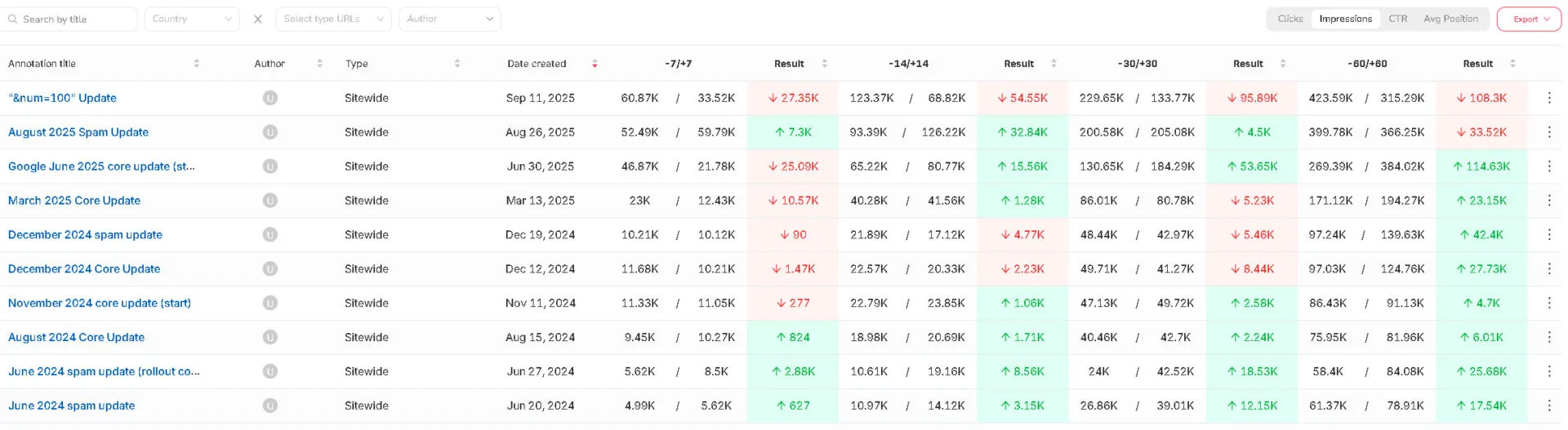
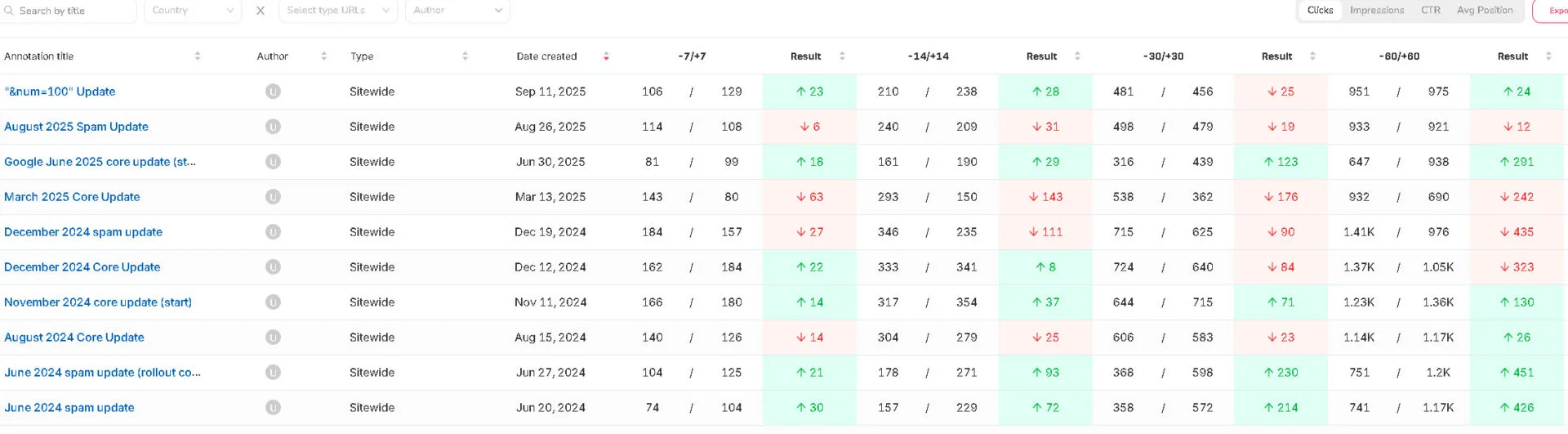
Google updates can push sites down for a few weeks, and then the next update (or refinement) lifts them again. That’s precisely why panic decisions often do more damage than the update itself.
A typical pattern looks like this:
- Update hits → rankings drop.
- People rush changes → site becomes unstable.
Next update rolls out → recovery would have happened, but now the site is different, and results get worse.
What you want is a calm process.
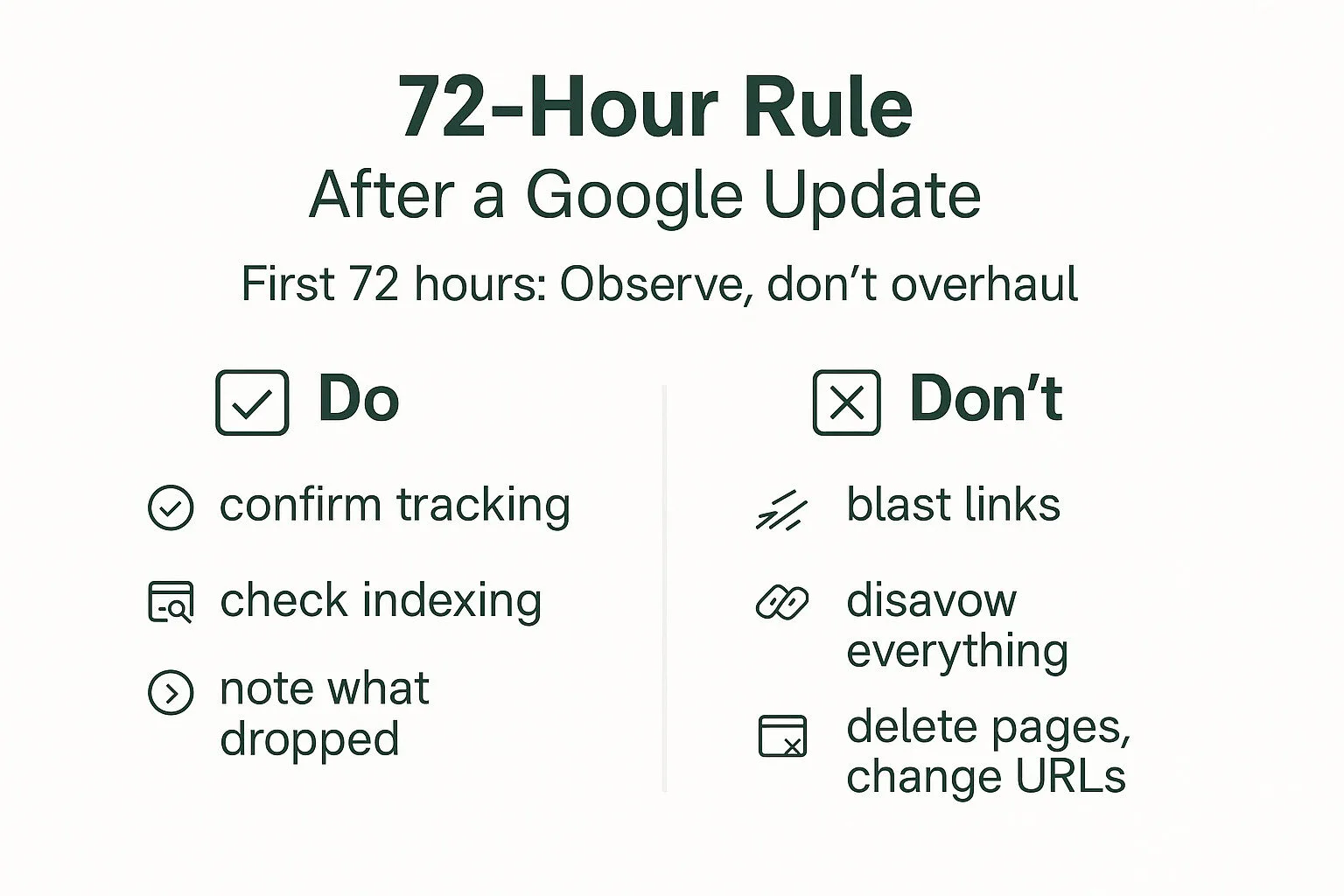
The “72-Hour Rule” (What To Do Immediately)
For the first 72 hours after an update, you’re not ‘fixing’ anything yet — you’re confirming data, checking การจัดทำดัชนี, and identifying what actually dropped. Big changes come later, not during the panic window
Why LPM and VPM Obsession Is the Fastest Way to Get Burned
Most GSA เครื่องมือจัดอันดับเครื่องมือค้นหา beginners think this:
If my LPM is high and my VPM is high, I’m winning.
In 2026, that’s often the opposite.
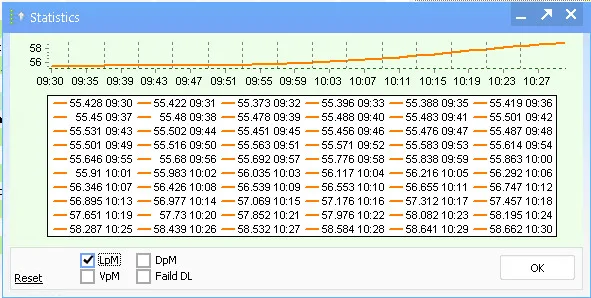
LPM and VPM are “output speed” metrics, not “SEO quality” metrics. A high VPM can mean you verified many low-value links.
What LPM and VPM Actually Mean
- LPM (Links Per Minute) = how many links the tool attempts /creates per minute.
- VPM (Verified Per Minute) = how many links are confirmed/verified per minute.
Neither of these tells you:
- If the links are relevant.
- If the placements are contextual.
- If the pages are indexed.
- If the content is readable.
- If the link profile looks natural
The Safe GSA SER Strategy for 2026 (What Works Now)
If you want GSA SER to help (not hurt) your rankings, the strategy is simple:
Build fewer links, but make them better. Keep it consistent for months. Use contextual placements and decent content.
Your New Goal: Contextual Do-Follow Links at a Natural Pace
Quality Content + Consistent Links Beats Bulk Links Every Time
Contextual links are links placed inside real content, inside paragraphs, where the surrounding text matches your topic.
This is the opposite of:
- spam comments
- low-quality profiles
- random forum garbage
- mass auto-generated pages with no real topic
If you want a step-by-step tutorial with the exact SER settings, use this guide:
https://asiavirtualsolutions.com/contextual-do-follow-links-gsa-ranker/

Here’s the part most people don’t want to hear:
Good links can’t save bad content.
Google is getting better at detecting pages that don’t deserve rankings. And with AI Overviews and featured snippets, Google wants pages that answer questions clearly.
So the real winning combination is:
- Helpful content on your site.
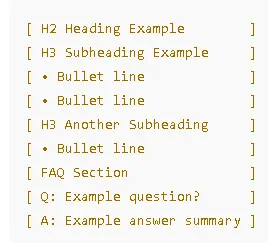
- Clean structure (headings, lists, FAQs).
- Consistent contextual backlinks
What “Better Content” Means (Simple Rules)
A Simple Link Velocity Plan (So You Stop Overdoing It)
Instead of running full speed, use a slow ramp-up that looks natural.
Example Ramp-Up Schedule (Beginner-Friendly)
| Week Range | Link Volume | Anchor Focus | Notes |
|---|---|---|---|
| Week 1–2 | Low |
|
|
| Week 3–6 | Slight increase (only if stable) |
|
|
| Week 7–12 | Steady pace |
|
|
Week 1–2:
- Keep link volume low.
- Focus on indexing and stability.
- Use branded + URL anchors mostly.
Week 3–6:
- Increase slightly if everything looks stable.
- Add partial match anchors carefully.
- Keep content quality consistent
Week 7–12:
- Maintain a steady pace.
- Continue adding supporting content on your website.
- Avoid sudden spikes


Anchor Text in 2026: Keep It Natural or Pay the Price
Anchor text is still important, but aggressive exact-match anchors are one of the easiest ways to trigger trouble.
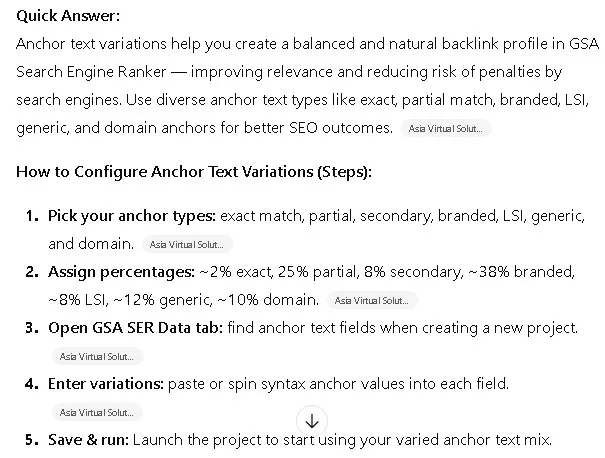
A Safe Anchor Mix (Easy Example)
- Brand anchors (highest).
- Naked URL anchors.
- Generic anchors (learn more on this website).
- Partial match anchors.
- Exact match anchors (lowest).
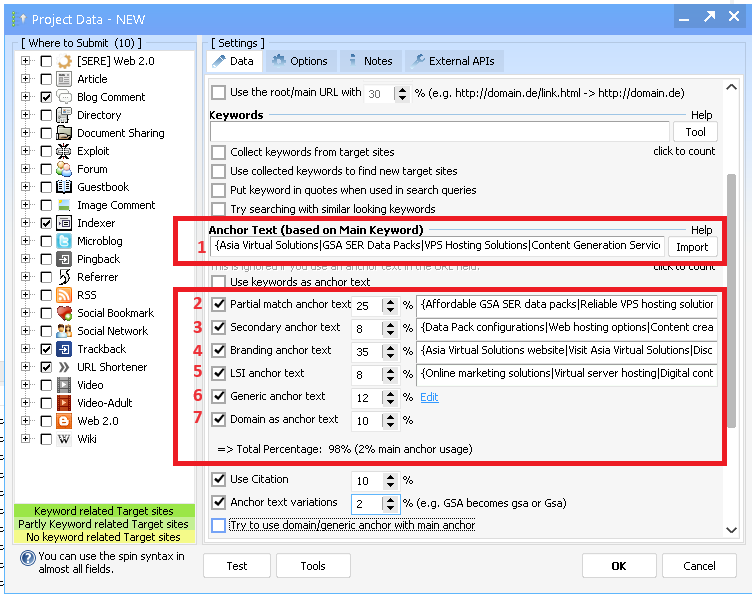
ด้านล่างนี้คือฟิลด์ต่างๆ ใน GSA SER
นี่คือของคุณ ข้อความหลักt (Exact Match), you are not able to set a percentage, as it will automatically be based on what's left of 100% after you add the ones in no. 2 – 7. Normally, we will aim for 1 – 2% here.
- ข้อความที่ตรงกันบางส่วน คุณควรใช้ 10 – 20%.
- ข้อความเชื่อมโยงรองเราต้องการใช้ 5 – 10%.
- ข้อความหลักของแบรนด์เราต้องการใช้ประมาณ 30 – 40%.
- ข้อความแองเคอร์ LSI(Latent Semantic Indexing), we need to aim for 5 – 10% usuage.
- ข้อความแองเคอร์ทั่วไป we want to be using is around 10 -15%.
- Domain as Anchor Text, คุณต้องใช้ประมาณ 10 -15%
SEO in 2026: AI Overviews and Featured Snippets Changed the Game
Even if your rankings are “okay,” the search results page has changed.
AI Overviews can answer the question without the user clicking.
Featured snippets can steal the top spot even if you aren’t #1.
So your job is to make your pages easy for Google to extract and summarize.
How to Structure Pages to Increase Featured Snippet Chances
Use these snippet-friendly blocks on your money pages and blog posts:
- A short definition answer near the top (40–60 words).
- Clear question-based headings (H2/H3).
- Bullet lists for quick answers.
- Numbered steps for “how-to” queries.
- A small FAQ at the bottom.
- A comparison table when relevant
How GSA SER Can Support Snippet/AI Visibility (The Smart Way)
GSA SER doesn’t directly “create” featured snippets.
What it can do is support the pages that are built to win snippets by:
- building steady authority signals over time.
- pushing crawlers and discovery through contextual links.
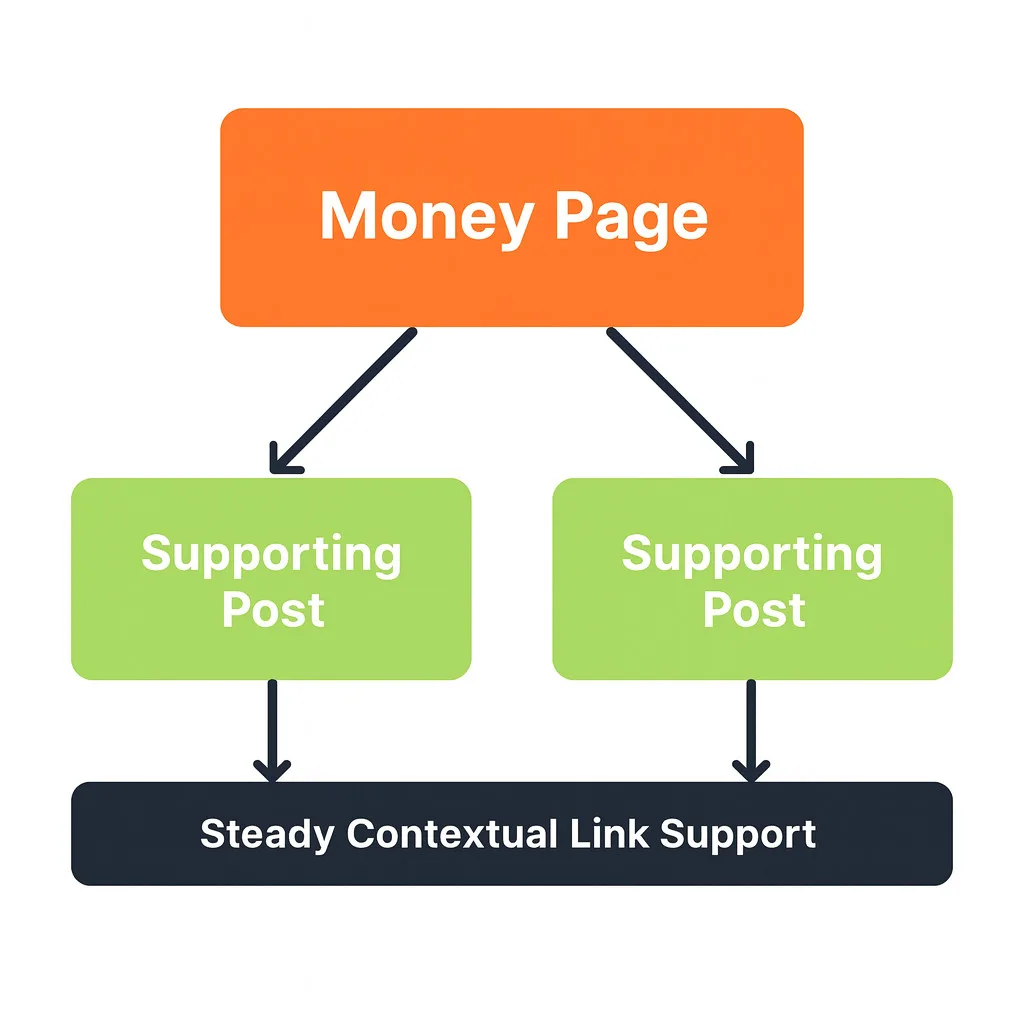
- strengthening topic clusters (main guide + supporting บทความ)
So the strategy becomes:
- Build the right page structure first.
- Then build the right links to support it
Mistakes to Avoid (That I See Every Week)
Here are the most common things that cause users to fail with SER:
- Trying to hit high LPM/VPM as the main goal.
- Using weak content and hoping links will fix it.
- Linking too aggressively right after a Google update.
- Using too many exact-match anchors.
- Spiking link volume (then stopping completely).
- Sending junk links directly to money pages.
What You Should Do Next (Simple Action Plan)
If you want to build links safely in 2026, do this:
- Don’t panic after updates (wait and measure).
- Stop chasing LPM/VPM.
- Improve content structure (snippets + AI-ready formatting).
- Build contextual do-follow links consistently.
- Keep anchor text natural.
- Scale slowly over months, not days
If you want the exact settings and the full walkthrough, use this tutorial:
https://asiavirtualsolutions.com/contextual-do-follow-links-gsa-ranker/
Final Thoughts: Don’t Quit When It Gets Tough — Adapt and Work Smarter
SEO has always been a long game. In 2026, it’s even more true.
Google will update again. Rankings will move again. AI Overviews will change again.
The people who win are the ones who stay consistent, build quality over time, and stop chasing vanity metrics.
If you’re using our GSA SER VPS and you’re unsure if your setup is safe, reach out to me. I’m happy to point you in the right direction and help you avoid the common mistakes.
Kind Regards,
ไมเคิล สวาร์ต
เอเชีย เวอร์ชวล โซลูชั่นส์